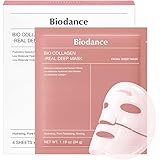
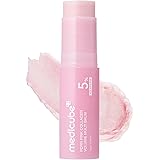
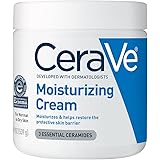
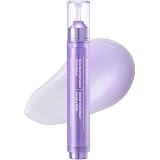
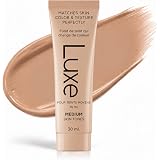
The “Spot the Difference Skincare Edition” video above might have you looking closely at every detail, from subtle textures to perhaps even an unexpected sparkle. Understanding the nuanced differences between skincare products is absolutely essential for building an effective routine. While some distinctions are obvious, others require a keener eye to truly comprehend their impact on your skin.
Successfully navigating the vast world of skincare means learning to compare and contrast various options. This skill helps you select products that genuinely address your unique skin type and concerns. We often encounter products that appear similar on the surface but offer vastly different benefits or drawbacks underneath.
Beyond the Surface: Why Skincare Differences Matter
Many skincare products promise similar outcomes, yet their formulations can be drastically different. These subtle variations often dictate how a product will interact with your skin. Learning to spot the difference in skincare helps you avoid irritation and achieve your desired results more efficiently.
Choosing the right products means understanding how even minor changes in ingredients or concentrations can significantly alter a product’s effectiveness. This knowledge empowers you to make informed decisions rather than simply following trends. Your skin will thank you for taking the time to truly understand what you are applying.
How to Spot the Difference in Skincare Ingredients
The ingredient list is arguably the most crucial part of any skincare product. It reveals the true nature and potential efficacy of what you are purchasing. Understanding what to look for can transform your skincare shopping experience.
Understanding Active Ingredients
Active ingredients are the powerhouses within a skincare product, responsible for delivering its primary benefits. For example, salicylic acid is an active ingredient targeting acne, while hyaluronic acid focuses on hydration. Identifying these key players helps you align products with your specific skin goals.
Always seek products where the active ingredients are listed prominently near the top of the ingredient list. This placement usually indicates a higher concentration, suggesting a more potent and effective formulation. Knowing these active components helps you spot the difference in real efficacy.
Reading the Ingredient List Effectively
Ingredients are typically listed in descending order of concentration, meaning the first few items make up the bulk of the product. Water, for instance, is often the first ingredient in many formulations. Keep an eye out for potential irritants like harsh alcohols or synthetic fragrances, especially if you have sensitive skin.
Conversely, look for beneficial ingredients such as antioxidants (Vitamin C, E), ceramides, or peptides. These components contribute significantly to skin health and appearance. Comparing these lists side-by-side between products can reveal crucial differences in their potential benefits.
Concentration Levels and Their Impact
While the order of ingredients gives a general idea, exact percentages of active ingredients are rarely disclosed by brands. However, a higher placement on the list usually suggests a more impactful concentration. For instance, a Vitamin C serum with ascorbic acid as the second ingredient is likely more potent than one where it appears near the end.
Be aware that higher concentrations are not always better, particularly for sensitive skin types. Sometimes a gentler formulation with a lower concentration of a potent active ingredient is more effective and less irritating. This is a critical nuance when trying to spot the difference skincare impact.
Comparing Skincare Formulations and Textures
Beyond ingredients, the overall formulation and texture of a skincare product play a significant role in its performance and suitability for different skin types. These characteristics influence how the product feels, absorbs, and delivers its benefits.
Different product forms, such as gels, creams, serums, or oils, are designed for specific purposes and skin concerns. Understanding these distinctions helps you choose products that complement your routine and skin needs. This is another area where you can clearly spot the difference skincare impact.
From Gels to Creams: Understanding Different Forms
Gels are typically lightweight and water-based, making them ideal for oily or acne-prone skin that needs hydration without heavy emollients. Creams, on the other hand, are richer and thicker, providing substantial moisture and beneficial for dry or mature skin types. Serums are concentrated treatments with targeted active ingredients, usually applied before heavier moisturizers.
Oils offer intense nourishment and can be used to seal in moisture or address specific concerns like dryness and fine lines. Each form offers a unique user experience and efficacy profile. Learning to differentiate these textures is a fundamental step in optimizing your skincare choices.
How Texture Influences Absorption and Suitability
The texture of a product directly impacts how quickly and deeply it penetrates the skin. Lighter textures like serums and gels absorb rapidly, allowing their active ingredients to work efficiently without leaving a heavy residue. Thicker creams and oils take longer to absorb and often form a protective barrier on the skin’s surface.
Consider your skin type and climate when evaluating texture. Oily skin in a humid environment might prefer lightweight gels, while dry skin in a cold climate benefits more from occlusive creams. Matching the texture to your skin’s needs is key to enhancing comfort and effectiveness.
The Role of Packaging and Presentation in Skincare
While packaging might seem purely aesthetic, it plays a vital role in preserving the integrity and effectiveness of skincare ingredients. The container can dramatically influence a product’s shelf life and stability. It’s not just about looking good; it’s about functionality.
However, some packaging emphasizes superficial appeal, like that intriguing “glitter” or elaborate designs, over practical considerations. Learning to discern between functional packaging and mere marketing ensures your products remain potent. Thoughtful packaging is an often overlooked aspect when you spot the difference skincare offers.
Protecting Potent Ingredients
Airless pumps or opaque tubes are generally superior for ingredients sensitive to light and air, such as Vitamin C or retinoids. Exposure to these elements can degrade active compounds, rendering them less effective over time. Jars, while aesthetically pleasing, expose the product to oxygen and contamination with each use.
Opting for well-designed, protective packaging helps ensure your investment in skincare continues to deliver its promised benefits. This practical consideration is often more important than any superficial sparkle. Smart packaging choices significantly prolong a product’s viability.
Beyond the Sparkle: Function Over Flash
While a visually appealing product with a little sparkle can certainly enhance the user experience, always prioritize substance over flash. A product’s effectiveness hinges on its ingredients and their stability, not just its packaging aesthetics. Don’t let glamorous presentation distract from the core formulation.
Focus on products that clearly list their ingredients and offer thoughtful, protective packaging. The true value lies in how a product performs for your skin, not how much “glitter” it contains. Making informed choices helps you identify truly beneficial skincare items.
Considering Your Skin Type and Concerns
The most important factor in choosing skincare is understanding your own skin. Products designed for dry skin will not perform well on oily skin, and vice versa. Personalizing your routine begins with a thorough assessment of your skin’s unique characteristics and concerns.
Always consider what specific issues you are trying to address, whether it is acne, dryness, sensitivity, or signs of aging. This focused approach helps you select products with targeted active ingredients. Identifying your skin type is the first step to effectively spot the difference skincare solutions provide.
Matching Products to Oily, Dry, or Sensitive Skin
Oily skin benefits from lightweight, non-comedogenic formulations that won’t clog pores. Dry skin thrives on richer, emollient products that provide deep hydration and support the skin barrier. Sensitive skin requires gentle, fragrance-free options to minimize irritation.
Combination skin often requires a balanced approach, perhaps using different products for different areas of the face. Understanding these distinctions allows you to curate a collection of products that truly cater to your skin’s individual needs. This careful matching process makes all the difference.
Targeting Specific Concerns: Hydration, Anti-Aging, Brightening
If hydration is your goal, look for humectants like hyaluronic acid and glycerin. For anti-aging, retinoids, peptides, and antioxidants are key. To achieve a brighter complexion, ingredients like Vitamin C, alpha arbutin, or niacinamide can be highly effective.
By identifying your primary concerns, you can narrow down your product search significantly. This targeted approach ensures that every product in your routine serves a clear purpose. Effectively addressing these concerns helps you spot the difference in your skin’s health and appearance.
Patch Testing and Observing Results
Introducing new skincare products into your routine should always be a cautious process. Patch testing is a crucial step that helps prevent widespread irritation or allergic reactions. This simple procedure allows you to assess compatibility before full application.
Consistency and patience are vital when evaluating the effectiveness of new products. Skincare results rarely happen overnight, requiring weeks or even months to become noticeable. Carefully observing your skin’s response helps you determine if a product is truly making a positive difference.
The Importance of Patch Testing New Products
Before applying a new product to your entire face, conduct a patch test on a small, inconspicuous area, like behind your ear or on your inner forearm. Apply a small amount of product once or twice a day for a few days. Look for any signs of redness, itching, burning, or breakouts.
If no adverse reactions occur, the product is likely safe for wider use. This precautionary step saves you from potential discomfort and wasted product. Patch testing is a simple yet powerful way to proactively spot the difference in skincare compatibility.
Tracking Changes and Being Patient for Results
Skincare products, especially those targeting concerns like acne or hyperpigmentation, require time to show their full effects. Generally, allow at least 4-6 weeks of consistent use before deciding if a product is working. Skin cell turnover takes time, and results accumulate gradually.
Keep a simple skincare journal or take weekly photos to track progress and identify subtle changes. This objective record helps you assess effectiveness rather than relying solely on memory. Patience and consistent observation are your best tools to truly spot the difference skincare can make.
Don’t Forget the Fun: Skincare as an Experience
While the science and efficacy of skincare are paramount, the sensory experience also contributes significantly to your routine’s enjoyment. The ritual of applying products can be a moment of self-care and relaxation. It is perfectly acceptable for skincare to be both effective and enjoyable.
Sometimes, a product with an appealing texture, a pleasant scent, or even a touch of “glitter” can make your routine feel more luxurious and motivating. Embrace the joy that comes from well-formulated, beautifully presented products, as long as they also deliver tangible benefits. Finding this balance ensures your daily skincare becomes a cherished habit.
Spotting Clarity: Your Skincare Q&A
Why is it important to understand the differences between skincare products?
Understanding these differences helps you select products that genuinely address your unique skin type and concerns, leading to more effective results and less irritation.
What are active ingredients in skincare?
Active ingredients are the powerful components in a skincare product responsible for delivering its primary benefits, such as salicylic acid for acne or hyaluronic acid for hydration.
How can I tell if an ingredient is in a high concentration?
Ingredients are usually listed in descending order of concentration, meaning the items appearing first on the list are present in larger amounts within the product.
What is the difference between skincare gels, creams, and serums?
Gels are typically lightweight and water-based, ideal for oily skin, while creams are richer and thicker for dry skin. Serums are concentrated treatments with active ingredients, usually applied before heavier moisturizers.
Why should I patch test a new skincare product?
Patch testing is crucial to prevent widespread irritation or allergic reactions by applying a small amount of the product to an inconspicuous area before using it on your entire face.