Are you constantly battling frizz, dullness, or an itchy scalp, feeling like your hair never truly cooperates? Many individuals find themselves in a perpetual cycle of trying new products, hoping to achieve that coveted healthy, bouncy hair seen in advertisements. However, as explored in the comprehensive video above, the key to transforming your locks often lies not just with the hair itself, but fundamentally with the condition of your scalp. It is widely understood that a truly complete aesthetic is often supported by one’s best hair day. This deep dive into scalp care is intended to serve as a masterclass, equipping you with the knowledge needed to elevate your hair game significantly, ensuring that underlying issues are addressed at their root.
The Foundational Role of Scalp Health in Achieving Healthy Hair
Understanding the intricate relationship between scalp health and hair quality is paramount. Each strand of hair emerges from an individual follicle, embedded within the scalp. These follicles, equipped with sebaceous glands, are responsible for producing sebum, a natural oil that moisturizes the scalp and protects against bacterial and fungal infections. When these vital follicles or their points of exit become clogged with excess sebum, dead skin cells, or dandruff, the impact on hair growth and quality can be profound. Such obstructions are known to significantly impede optimal hair development. In fact, prolonged blockage may lead to a cessation of hair production altogether.
The scalp is not merely a passive surface; it is a dynamic extension of facial skin, notable for its delicate nature and a metabolic renewal rate approximately twice as fast as the rest of the body. This rapid cellular turnover necessitates regular maintenance to ensure the removal of dead skin cells through practices such as brushing, washing, and targeted exfoliation. Maintaining a clean and unobstructed scalp environment is essential for fostering robust hair growth. According to the American Academy of Dermatology, the average person possesses approximately 100,000 hair follicles, each capable of producing at least one growing hair. The correct balance of sebum production, often overlooked, is crucial for both scalp hydration and defense. This balance is optimally achieved when the scalp’s pH level is maintained within a mildly acidic range of 4.5 to 5.5, an environment that naturally inhibits bacterial proliferation and maintains scalp integrity. Deviations from this optimal pH can lead to issues ranging from excessive oiliness and tangling to dryness and a compromised protective barrier.
Identifying Your Scalp Type: A Critical First Step
Just as facial skin varies, so too does the scalp, with distinct types influencing specific care requirements. Recognizing one’s scalp type is a critical determinant in formulating an effective hair care strategy. Four primary scalp types are commonly identified, each presenting unique characteristics and challenges:
Oily Scalp
Individuals with an oily scalp typically experience hyperactive sebaceous glands, leading to an overproduction of sebum. This excess oil often results in hair appearing visibly greasy, particularly at the roots (the first 2-3 cm), within 48 hours of washing. The scalp itself may present as overtly oily and congested. Occasional dandruff flakes may also be observed, often linked to the proliferation of oleophilic Malassezia bacteria, which thrive in sebum-rich environments.
Dry Scalp
In contrast, a dry scalp is characterized by underactive sebaceous glands, insufficient in producing adequate sebum. This condition is often associated with a weakly alkaline pH, resulting in dryness, persistent itchiness, and the presence of fine, powdery dandruff flakes. Noticeable oil buildup on the hair and scalp generally takes five days or more without washing, though this is not an endorsement for infrequent washing, but rather an indicator of the scalp’s natural oil production rate.
Combination Scalp
This type presents a challenge due to varying sebum production across different scalp regions. Typically, the crown of the head exhibits higher sebum output, while the sides and back may be considerably drier. This imbalance, often coupled with suboptimal overall scalp condition, can result in an oily scalp (especially at the roots) paired with dry, frizzy hair strands, as sebum may not adequately coat the hair shaft. It is frequently considered the most complex scalp type to manage effectively.
Sensitive Scalp
Often correlating with sensitive or allergy-prone skin elsewhere on the body, a sensitive scalp is prone to frequent itchiness, irritation, and reactivity. Common manifestations include intermittent burning sensations, redness, small bumps (folliculitis), and general scalp pain or discomfort. Hair growth in these individuals may appear thin, soft, and prone to breakage. This scalp type is particularly reactive to environmental shifts, seasonal changes, product alterations, and chemical treatments such as perms, coloring, or bleaching. Care for a sensitive scalp necessitates meticulous attention to product ingredients to avoid potential irritants.
Common Scalp Conditions and Their Distinctions
An unbalanced or unhealthy scalp frequently gives rise to several common concerns, including excessive oiliness, dryness, dandruff, and various forms of hair loss. A clear understanding of these conditions is crucial for targeted treatment.
Oily Scalp Manifestations
Beyond the obvious greasy appearance, an oily scalp can lead to daily shampooing needs due to rapid oil accumulation. Persistent itchiness may be attributed to the buildup of dead skin cells and sebum. Infrequent washing can result in a noticeable odor and leave oily residues on pillowcases. The weight of excess oil often causes hair to appear flat and lacking volume. Factors influencing scalp oiliness include weather conditions (winter’s dry air can prompt compensatory sebum production, while summer humidity can distribute oil more readily), hormonal fluctuations, and the frequency of hair washing. Stripping natural oils through overly frequent washing can paradoxically stimulate more oil production, while infrequent washing allows for accumulation of oil and debris.
Dry Scalp: More Than Just Flakes
A dry scalp, characterized by a lack of moisture in the skin, leads to irritation and flaking. Triggers often include cold, dry environmental conditions or harsh ingredients found in hair products, which can induce contact dermatitis. Products like certain shampoos or hairsprays may contribute to parched and flaky scalp conditions.
Dandruff Versus Dry Scalp: A Crucial Distinction
While often conflated, dandruff and a dry scalp are distinct conditions. Dandruff is typically caused by seborrheic dermatitis, a common condition where scalp skin cells shed at an accelerated rate, presenting as oily, red, and scaly patches. The characteristic white or yellowish flakes are often larger and oilier than those associated with a dry scalp. In contrast, dry scalp flakes are generally smaller, drier, and may be accompanied by dry patches on other areas of the body. Both conditions, however, can result in considerable scalp itchiness.
Understanding Hair Loss and Hair Shedding
Changes in hair volume can be deeply distressing. It is important to distinguish between normal hair shedding and actual hair loss. Our bodies typically shed between 50 to 100 hairs daily. An increase significantly beyond this range is termed excessive hair shedding, or telogen effluvium. This condition is often a delayed response, occurring several months after a major physical or emotional stressor such as pregnancy, high fever, significant illness, or rapid weight loss. While often temporary, resolving within six to nine months as the body recovers, chronic stress can prolong excessive shedding.
Conversely, hair loss, medically known as anagen effluvium, involves a cessation of hair growth due to factors that disrupt the hair follicle’s cycle. Causes are diverse, encompassing hereditary predispositions (e.g., androgenic alopecia), autoimmune responses, specific medications or medical treatments, hairstyles that exert constant tension on follicles (traction alopecia), harsh hair care products, or even trichotillomania (compulsive hair pulling). Unlike shedding, hair loss typically requires addressing the underlying cause for regrowth to occur. For persistent or concerning hair changes, consultation with a healthcare professional or trichologist is advised.
Mastering Your Hair Care Routine: Focus on the Scalp
Given that scalp issues are frequently the genesis of many hair problems, prioritizing scalp health is fundamental. A healthy, clean scalp creates an optimal environment for hair growth and protects the skull from external trauma and infection. While water assists in rinsing away surface dust, effective scalp cleansing primarily relies on shampooing. However, the choice and application of shampoo are critical considerations.
Shampoo Selection and Surfactants
Shampoos, primarily composed of surfactants (chemical compounds comprising approximately 90% of ingredients), are designed to remove oil and dirt. Sodium Laureth Sulfate (SLES) and Sodium Lauryl Sulfate (SLS) are common surfactants. While some concerns regarding their potential harm have been raised, significant adverse effects typically require decades of heavy use or extremely high concentrations. The suitability of sulfates depends largely on individual hair and scalp type. For greasy or oily scalps, shampoos containing both SLES and SLS may provide effective cleansing. Those with dry scalps are often better served by SLES-only formulations, which are generally milder. Employing less shampoo can also prevent excessive stripping of natural sebum.
The rise of sulfate-free shampoos has provided alternatives, particularly beneficial for certain hair types or sensitive scalps. However, it is important to note that sulfate-free formulations may not always provide sufficient cleansing for all, potentially leading to product, oil, and dirt buildup that can compromise follicular health and even contribute to hair loss. Beyond scalp type, factors such as hair condition, porosity level, and curl pattern should also influence shampoo selection, highlighting the need for a personalized approach.
Effective Washing and Conditioning Techniques
Proper application and rinsing techniques are as crucial as product selection:
- Thorough Wetting: Before shampooing, ensure your scalp and hair are thoroughly saturated with lukewarm water (not exceeding 40°C). This preliminary rinse can remove up to 80% of surface oils, buildup, and dust, simultaneously opening the hair cuticle for deeper cleansing. Excessively hot water can damage the hair cuticle, causing dryness and stimulating the scalp to overproduce oil.
- Lather in Hands: Avoid direct application of shampoo or conditioner to the scalp. Instead, emulsify the product in your hands with a small amount of water to create a lather before applying. This ensures even distribution and prevents product concentration, which could clog follicles. Conditioners and hair masks, due to their rich emollient textures, should be applied primarily to the hair shaft, avoiding direct contact with the scalp to prevent buildup unless specifically formulated for scalp treatment.
- Gentle Scalp Massage: During washing, gently massage the scalp using fingertips (not nails) in small circular motions for 3 to 5 minutes. Begin at the temples, moving upwards to the crown, then from the base of the ears to the top, and finally to the nape of the neck. This technique softens dead skin cells, aids exfoliation, removes debris, and stimulates blood flow, promoting scalp health and hair growth.
- Thorough Rinsing: After cleansing the scalp and extending the foam to the hair shaft, rinse thoroughly multiple times. Gently ruffle and lift hair strands to ensure all shampoo and residue are completely washed away. Incomplete rinsing can leave residues that lead to dullness, itchiness, and product buildup.
Tailored Scalp Care Strategies
Specific scalp types require customized care routines to address their unique needs:
For Oily Scalp
Daily or every-other-day washing is often recommended. Opt for gentle shampoos designed to cleanse without excessively stripping natural oils, as over-stripping can lead to compensatory oil production and potentially increased hair loss. Avoid the trend of “training your hair” by infrequent washing, as for oily scalps, this often exacerbates issues. Individuals exposed to dusty, greasy, or smoky environments should prioritize regular washing. Lightweight conditioners, specifically formulated for oily scalps, are preferred over heavy leave-in treatments that can weigh hair down and contribute to oiliness. For concurrent dandruff, a zinc-based shampoo, used with the same frequency, can be beneficial.
For Dry Scalp
The focus for a dry scalp is on hydration and avoiding over-washing. Mildly acidic shampoos containing humectants and emollients such as hyaluronic acid, ceramides, or gluco-peptides are highly effective. These ingredients gently remove buildup, minimize irritation, and help protect the scalp’s natural sebum barrier. While deep cleansing scrubs can be beneficial, daily use is not advised, especially if washing frequently; a weekly deep cleanse is generally sufficient. For dry scalp accompanied by flakes, medicated over-the-counter shampoos containing zinc, salicylic acid, or magnesium can provide relief.
For Sensitive Scalp
Ingredient scrutiny is paramount for sensitive scalps. Many hair products contain allergenic preservatives (e.g., specific parabens, formaldehyde-releasing agents) or fragrances that can trigger irritation. Utilizing ingredient analysis apps or websites can assist in identifying potential irritants. Shampoos specifically formulated for sensitive skin, typically fragrance-free and dye-free, are the safest choice. Patch testing new products on a small, inconspicuous area of the scalp before full application is a wise practice. Establishing a consistent, gentle washing routine suited to individual reactivity is essential for maintaining comfort and health.
The Hair Regrowth Pyramid: A Structured Approach
For those experiencing hair loss concerns, a structured approach is essential. The hair regrowth pyramid outlines three layers focused on reducing hair loss, regulating the scalp environment, and ultimately promoting regrowth.
Layer 1: Reducing Hair Loss
The foundation of hair regrowth involves minimizing hair fall. Congested hair follicles, often choked with dirt, sebum, and product residue, are a primary contributor to premature hair shedding. Maintaining a consistently clean scalp with products appropriate for your identified scalp type is therefore non-negotiable. It is important to be vigilant for products that leave a greasy residue or cause hair to clump, as these are indicators of incompatibility. Furthermore, external stressors such as excessively tight hairstyles (e.g., high ponytails, braids, tight hijabs) can induce traction alopecia, a form of hair loss caused by chronic pulling on the follicles. Opting for looser styles significantly reduces this physical stress.
Layer 2: Regulating the Scalp Environment
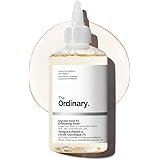
Beyond basic cleansing, targeted treatments can address specific scalp imbalances. An oily scalp benefits significantly from a weekly deep cleanse using a scalp scrub (either physical or chemical) to eliminate accumulated sebum and debris. For dry scalps, a nourishing scalp mask applied weekly can replenish moisture, counteract the drying effects of hard water or harsh products, and provide soothing hydration. Additionally, targeted scalp oils or serums, infused with ingredients like tea tree oil for oiliness or argan oil for dryness, can be strategically applied to problem areas.
Layer 3: Stimulating Hair Growth
Once a healthy foundation has been established through the first two layers, various methods can be explored to actively stimulate hair growth. Hair serums or tonics often contain ingredients such as caffeine (known to stimulate follicles and improve microcirculation), biotin (a B-vitamin essential for keratin infrastructure), peptides, collagen, keratin, or various vitamins that fortify hair roots. Ingredient selection should be tailored to individual scalp type and any sensitivities. Natural alternatives, including herbal extracts, castor oil, rosemary oil, and jojoba oil, are also popular. Some studies suggest that essential oils like rosemary oil can exhibit efficacy comparable to medicated topical products in promoting hair regrowth for certain individuals. These treatments are best applied with a gentle scalp massage, either with fingers or a specialized scalp massager, to further enhance blood circulation and nutrient delivery to follicles.
For more pronounced results, over-the-counter medicated topical treatments such as minoxidil (commonly known as Rogaine) are frequently recommended by healthcare providers. Minoxidil is believed to promote hair growth by widening blood vessels, thereby increasing blood flow and nutrient supply to hair follicles. However, consultation with a pharmacist or doctor is crucial, especially for pregnant or breastfeeding individuals, who are advised against its use. It is important to note that an initial phase of increased hair shedding may occur when starting minoxidil, and consistent, long-term use is necessary to maintain its hair growth-promoting effects.
Innovative approaches also include low-level light therapy (LLLT) devices, which utilize specific wavelengths of light to stimulate scalp cells, improve localized blood supply, reduce inflammation, and encourage hair regeneration. Studies have indicated that consistent LLLT use over several weeks can significantly increase hair density. While an investment, LLLT offers a non-invasive option for those seeking effective hair growth stimulation. Finally, incorporating oral supplements such as multivitamins, biotin, collagen, and zinc can support overall well-being and contribute to healthy hair growth and scalp condition from within. Always ensure that any new supplement regimen is discussed with a healthcare professional.
In conclusion, the journey to healthy hair is intricately linked to the health of the scalp. By identifying your scalp type, understanding common conditions, and implementing a tailored hair care routine, significant improvements in hair quality and growth can be realized. A solid cleansing regimen, complemented by targeted treatments and growth stimulants, forms the cornerstone of comprehensive hair care. While immediate results are rarely observed, consistency and dedication to your personalized hair care routine are paramount, ensuring your luscious locks thrive and reflect your commitment to optimal scalp health.
Untangling Your Hair Care & Scalp Questions
Why is scalp health important for healthy hair?
Your hair grows directly from follicles in your scalp. A healthy, clean scalp provides the best environment for strong hair growth and protects against issues like infections and blockages.
How can I find out what my scalp type is?
Your scalp can be oily (hair looks greasy quickly), dry (itchy, flaky, little oil production), combination (oily in some areas, dry in others), or sensitive (prone to irritation and redness).
Is a dry scalp the same as dandruff?
No, they are different. A dry scalp is due to a lack of moisture and has small, dry flakes. Dandruff (seborrheic dermatitis) results in larger, oilier flakes caused by accelerated skin cell shedding.
What is the correct way to shampoo my hair?
First, thoroughly wet your hair with lukewarm water. Lather a small amount of shampoo in your hands before gently massaging it into your scalp with your fingertips, then rinse thoroughly.